Extensive wildlife and ecological survey work has been undertaken across the site to help understand the wildlife within the site and identify opportunities for protection and enhancement.
To help support wildlife the existing boundary hedges and trees will be retained and protected. Within the site significant trees and hedgerow will also be protected and retained together with the existing ponds in the centre of the site.
The overall impact of the development proposals will be positive with the creation of extensive new biodiverse habitats that provide both foraging and sheltering for birds, small mammals, reptiles, great crested newts and bats.
Biodiversity net gain will be achieved within the site through the creation of new habitat areas, and enhancement of existing habitats. This approach includes:

New wildlife-friendly green spaces
New wildlife-friendly green spaces and areas of chalk grassland which will provide important habitats and help expand the network of species-rich grassland within Surrey.

Retaining and improving existing habitats
Like ponds and hedgerows, where required to strengthen their condition and local biodiversity. The proposals will improve the ecosystems of the ponds on site through the management of invasive species and habitat restoration – improving aquatic plant diversity, creating valuable amphibian habitats, and strengthening overall biodiversity.

Substantial new shrub and tree planting
Substantial new shrub and tree planting will be provided within the development itself, including street trees, new trees and shrubs within areas of open space. The new planting will be predominantly native species.

Opportunities for landscaping
The new surface water drainage features will also provide opportunities for landscaping and the creation of new habitats.
Overall, the development will provide excellent opportunities for wildlife and significant enhancements in biodiversity resulting in an onsite net gain of at least 20%.
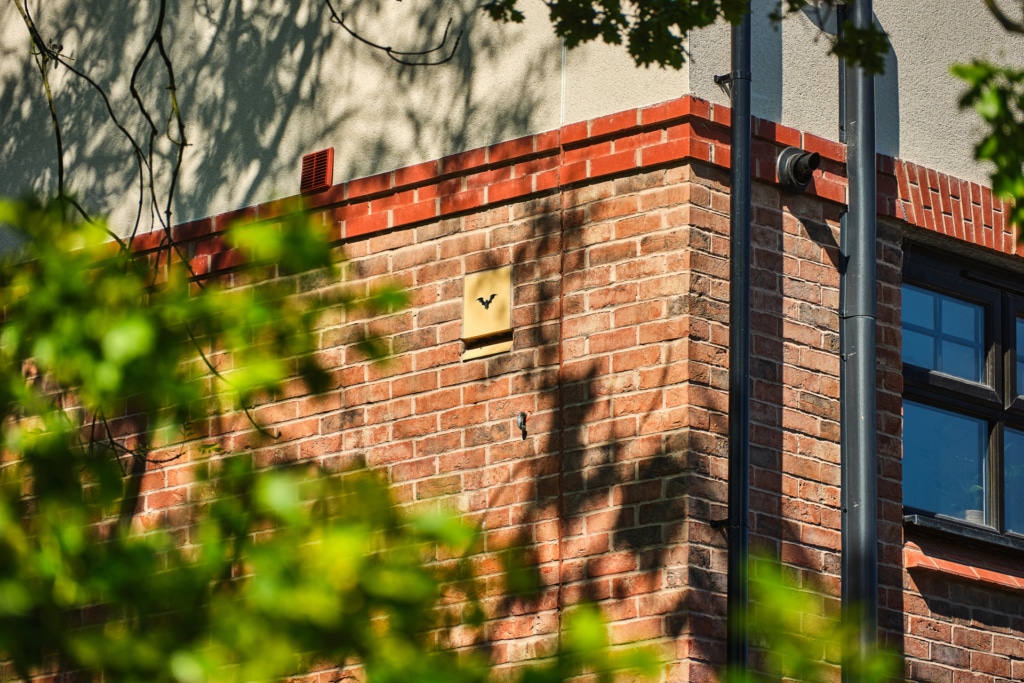
Additional benefits for local wildlife will include bird and bat boxes, bee bricks, bug hotels, hedgehog houses and highways, and planting fruit and berry-bearing species to support foraging.
During construction, appropriate measures will be implemented to minimise the environmental impact of construction and ensure local habitats are protected. This will include the management of waste, control of water runoff, mitigation for noise and vibration, dust management and fencing around sensitive areas. The development will sign up for the District Level Licensing programme to ensure that all construction work is carried out under the appropriate licenses.


